

Featured
Protecting Clinician Focus During Documentation
An evidence-informed workflow for reducing documentation-related task switching while keeping the clinician responsible for every final chart.
An evidence-informed workflow for reducing documentation-related task switching while keeping the clinician responsible for every final chart.
A practical framework for writing nuanced, useful mental health notes while protecting sensitive information, patient trust, and psychotherapy-note boundaries.
A practical urgent care documentation workflow for preserving limited context, high-risk details, pending results, follow-up, and ownership.
A primary care documentation workflow for multiple problems, chronic and preventive care, useful history, open loops, and timely review.
A practical addiction-counseling documentation workflow for preserving recovery context, using stigma-sensitive language, and respecting Part 2 and HIPAA boundaries.
A scope-aware documentation workflow for nurse practitioners across primary, specialty, acute, urgent, and behavioral health settings.
A practical SOAP workflow that keeps patient-reported details, clinical findings, reasoning, and follow-up aligned without creating note bloat.
A risk-based chart review checklist for catching omissions, unsupported statements, medication errors, unclear plans, and copied-note problems before signature.
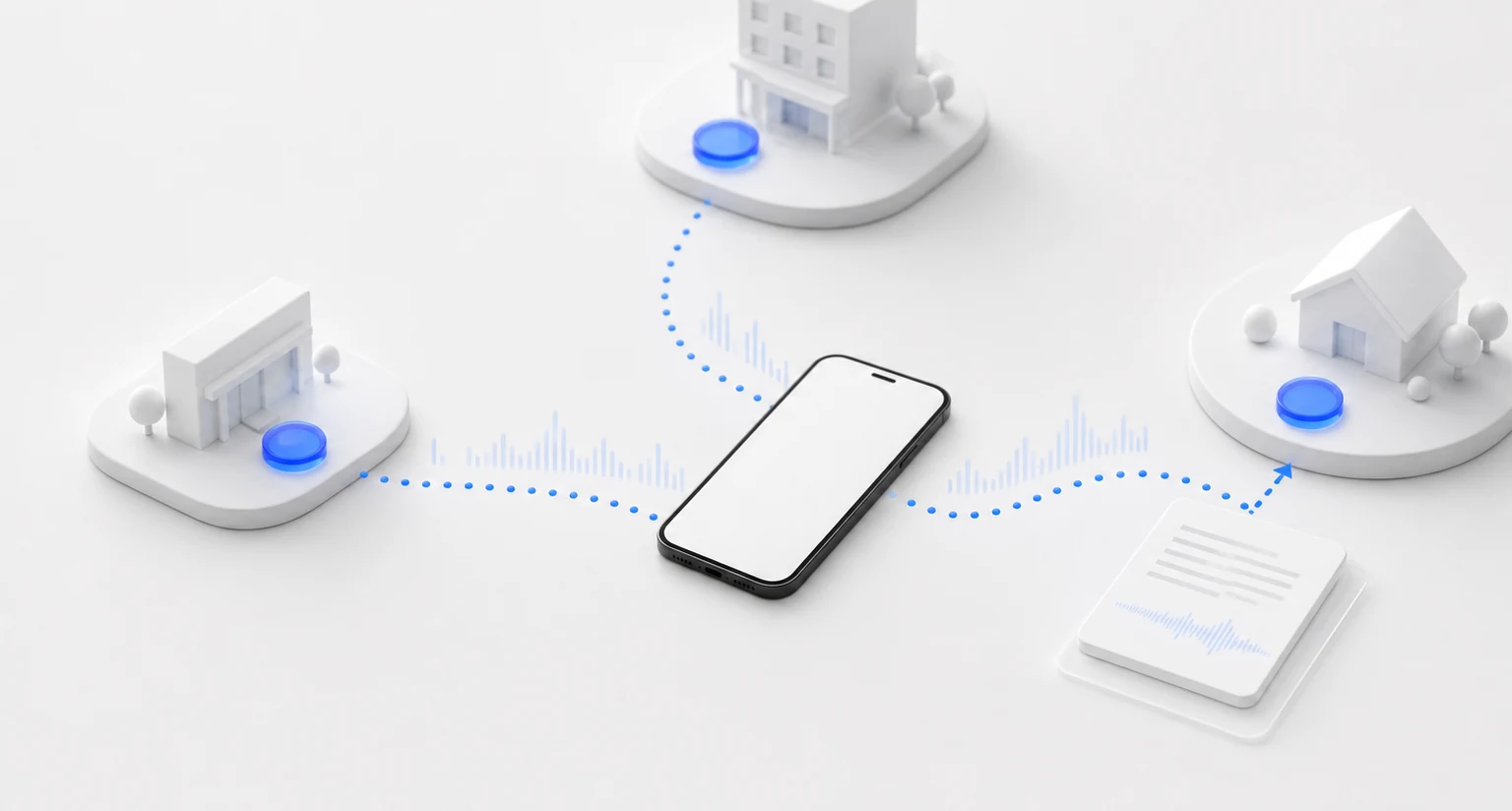
A practical mobile documentation workflow for preserving encounter context without compromising patient identity, privacy, or clinician review.
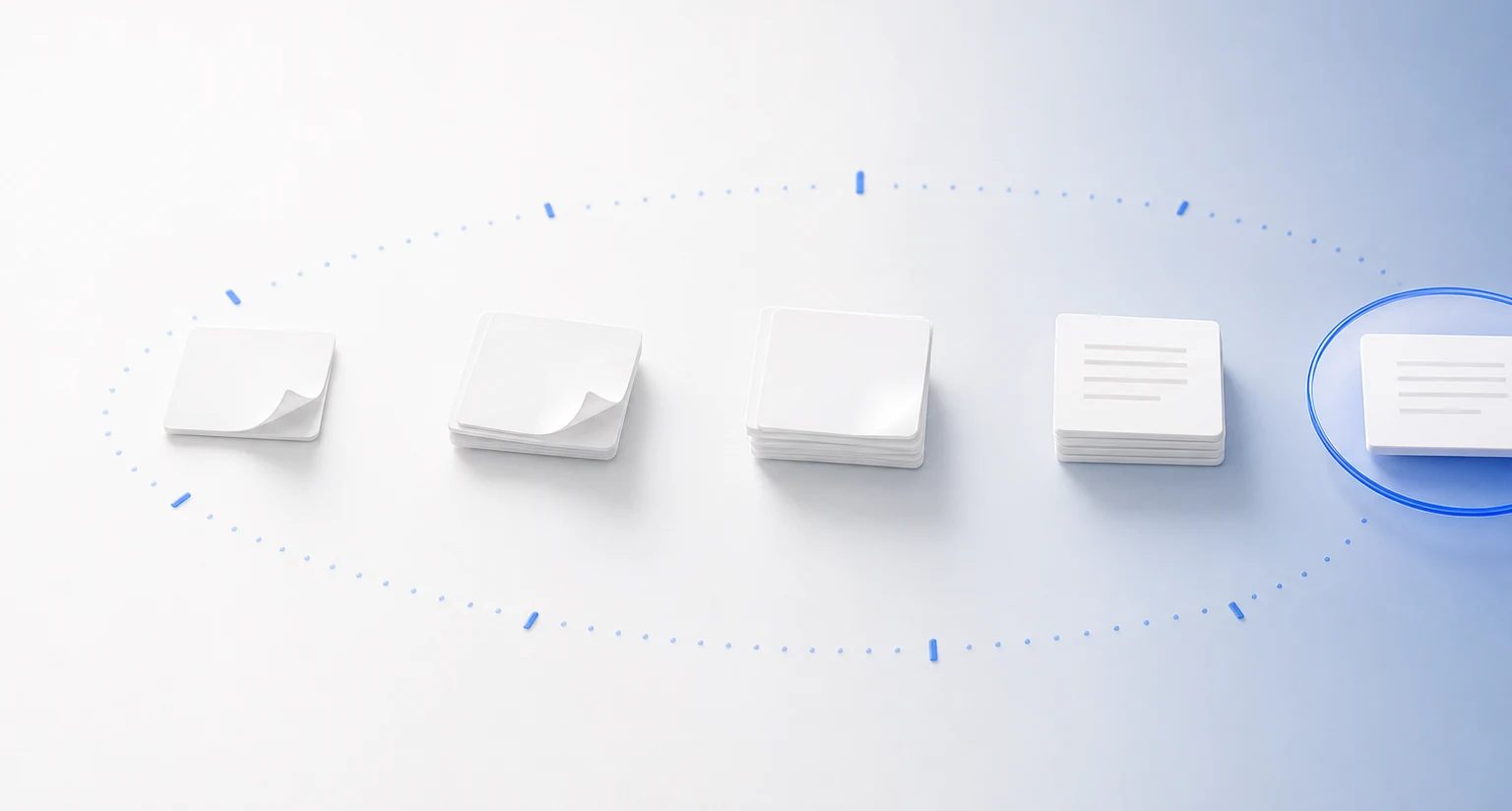
A systems-based approach to shrinking documentation backlog while preserving accurate notes, patient attention, and clinician review.
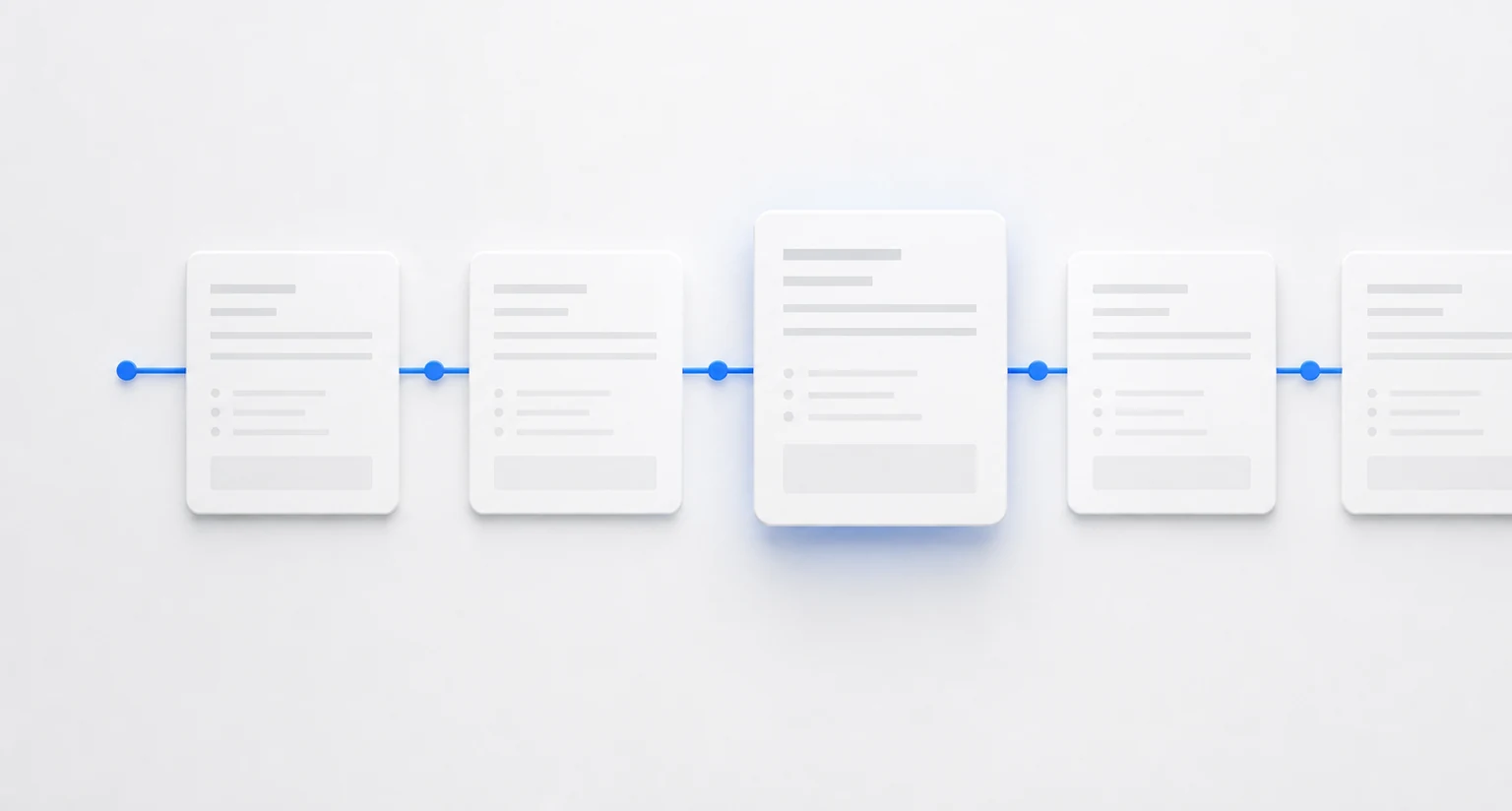
A reliable patient timeline helps clinicians locate and verify prior decisions, clinical changes, and outstanding follow-up.
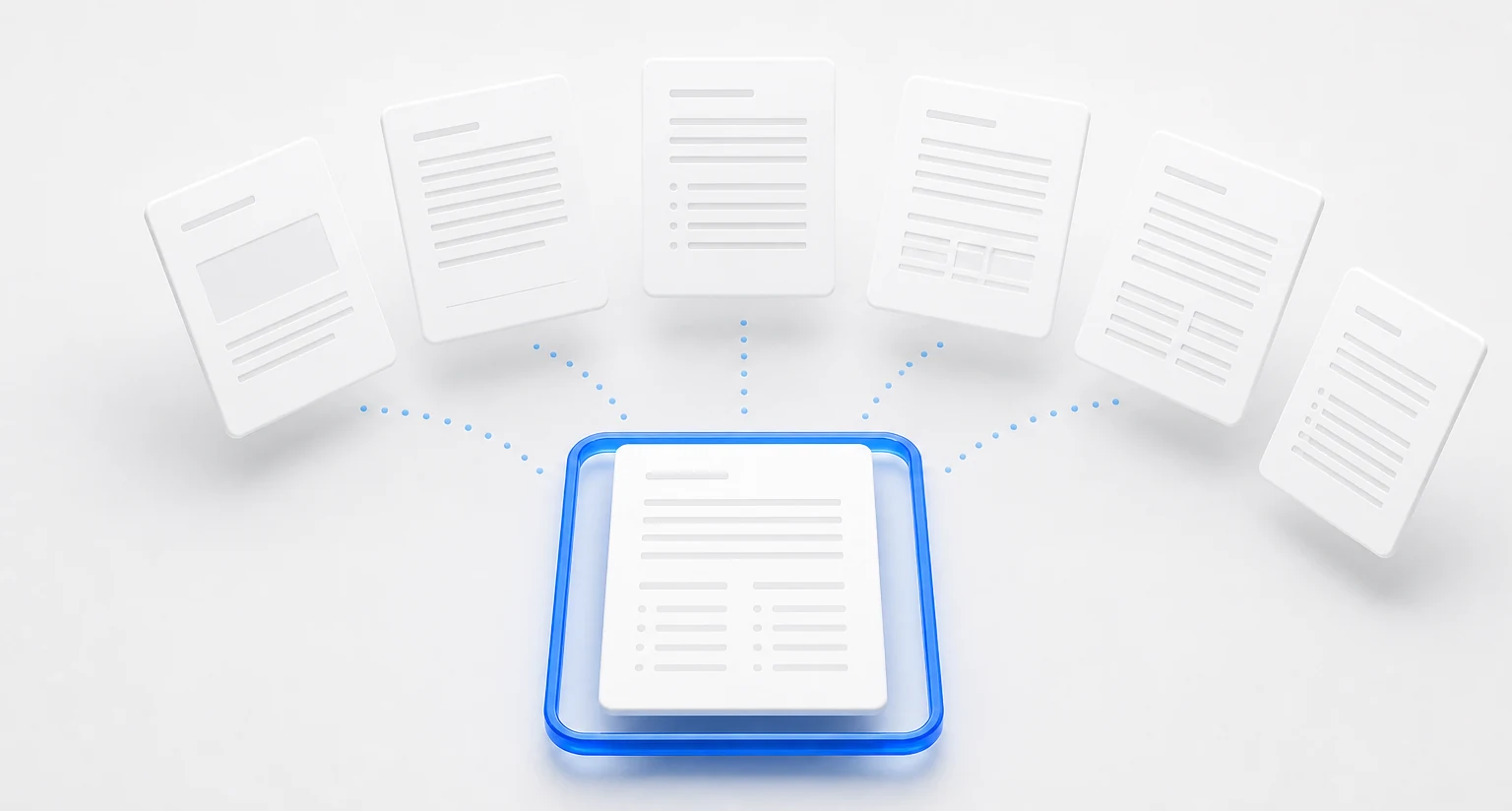
How to match a clinical note template to the encounter, specialty, reader, and workflow without creating boilerplate or missing critical details.
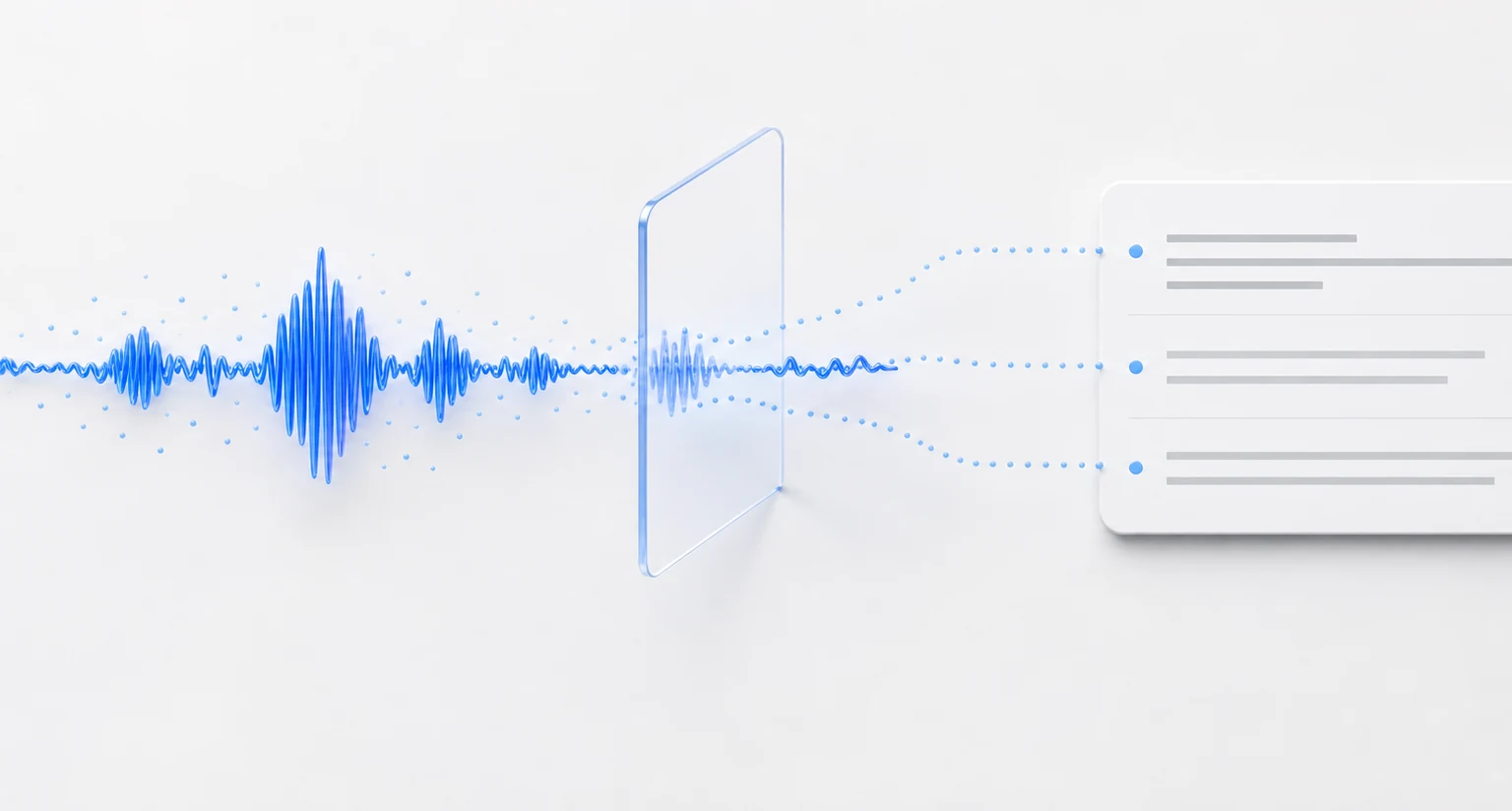
A safe, clinician-led workflow for converting recorded encounters into organized draft notes while protecting context, accuracy, and patient trust.
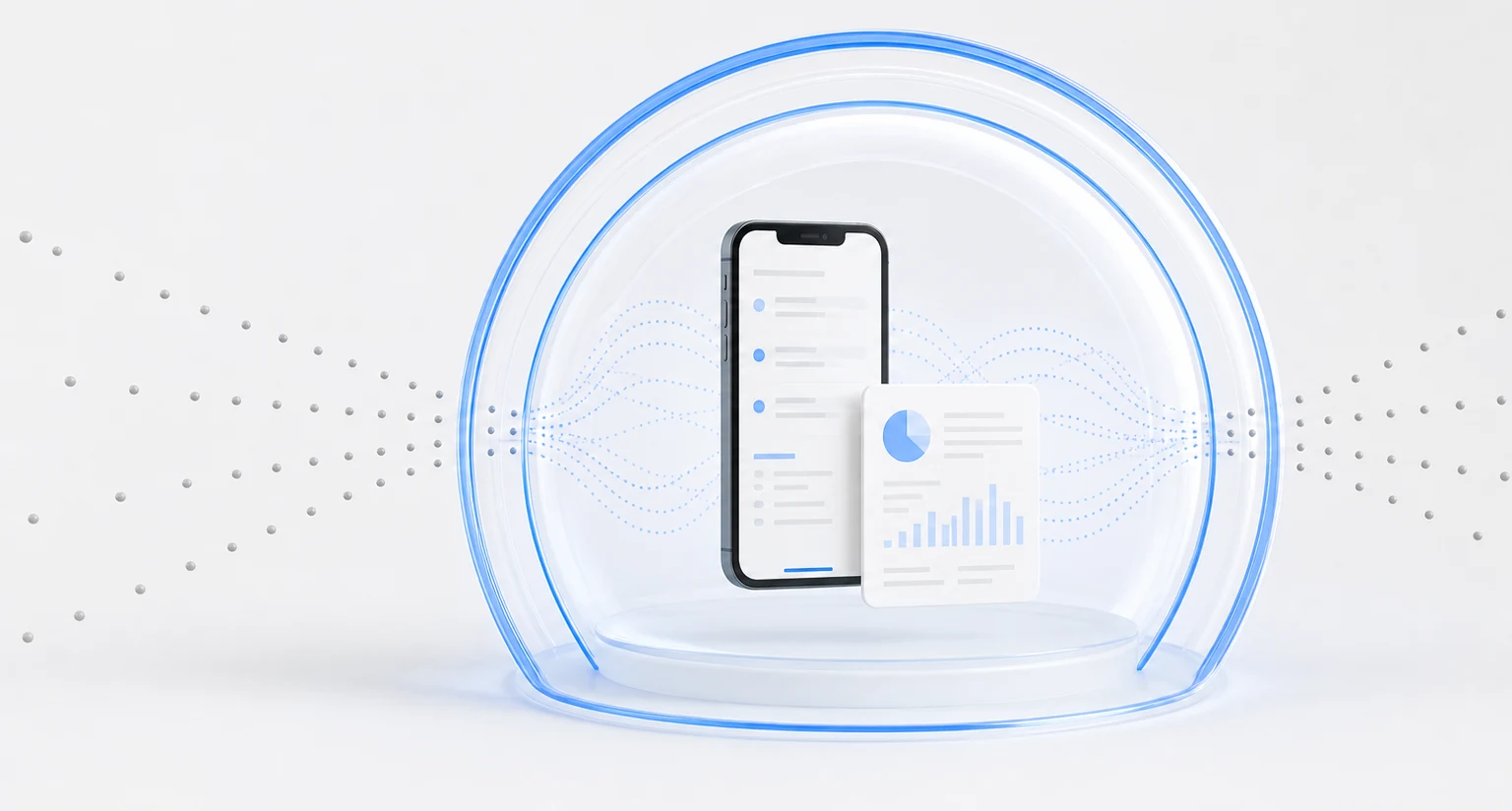
Mobile charting security depends on product safeguards, organizational risk management, device controls, and consistent clinician habits.
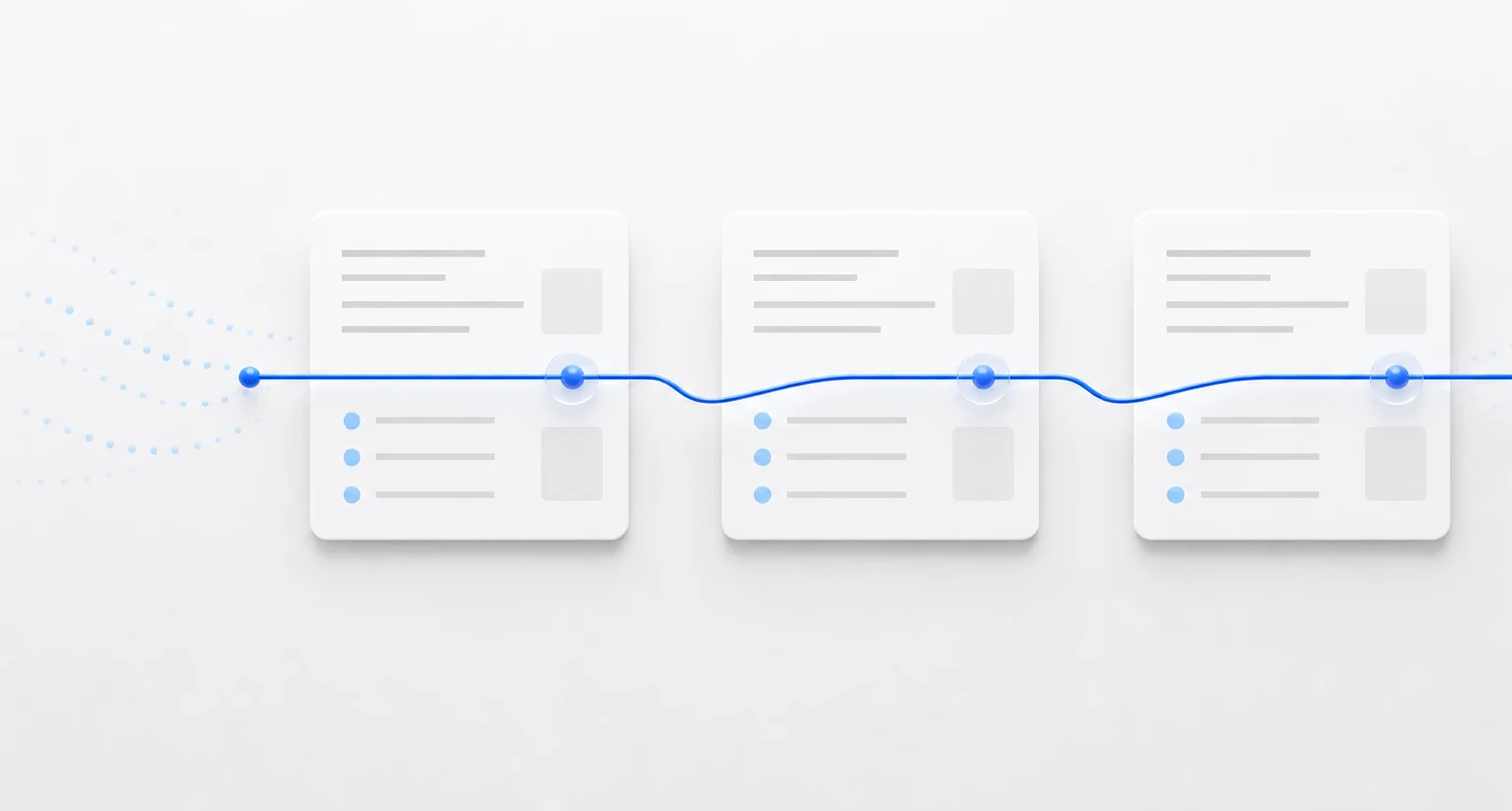
Useful clinical documentation preserves context, reasoning, uncertainty, and next actions when care moves between people and settings.